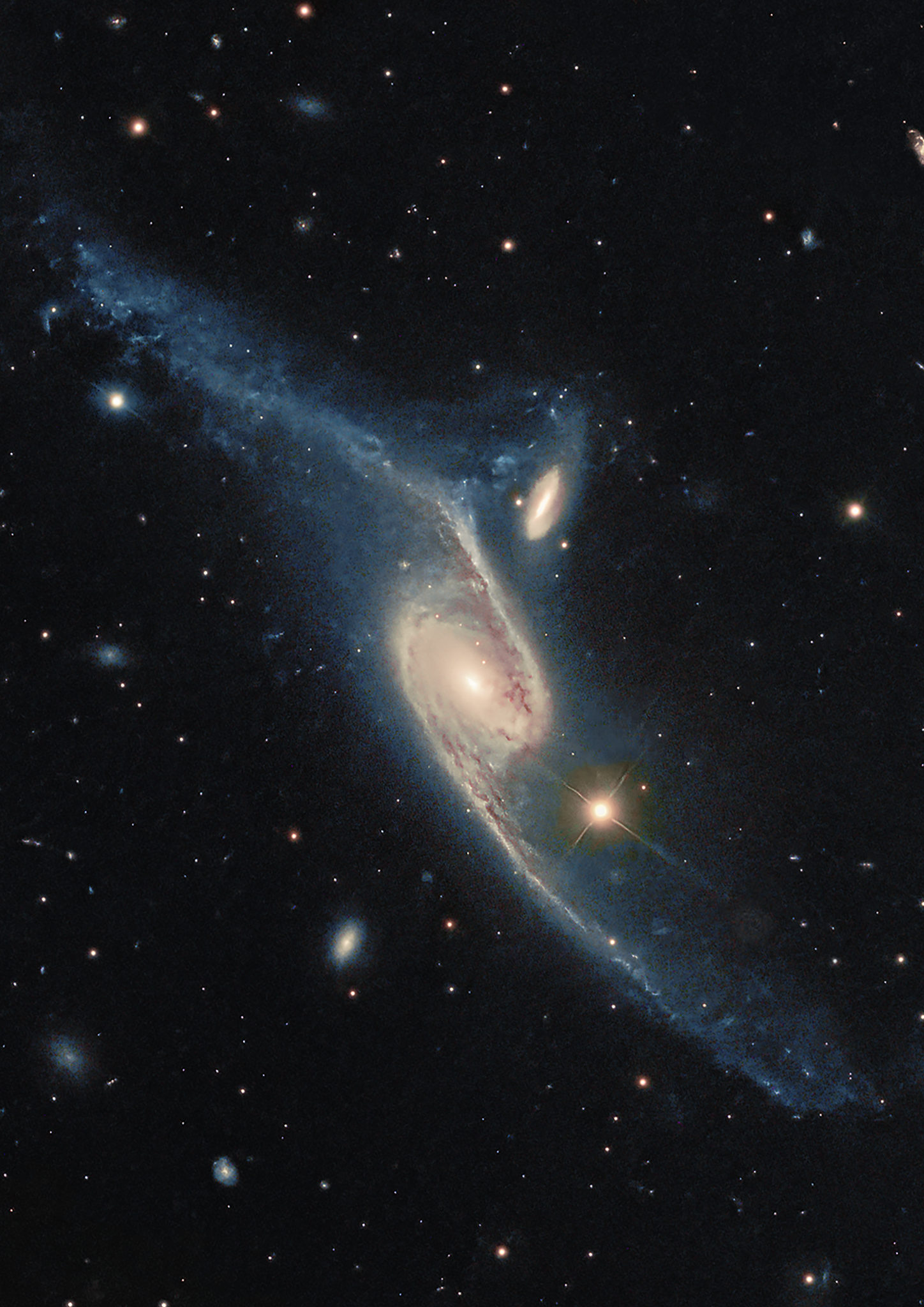
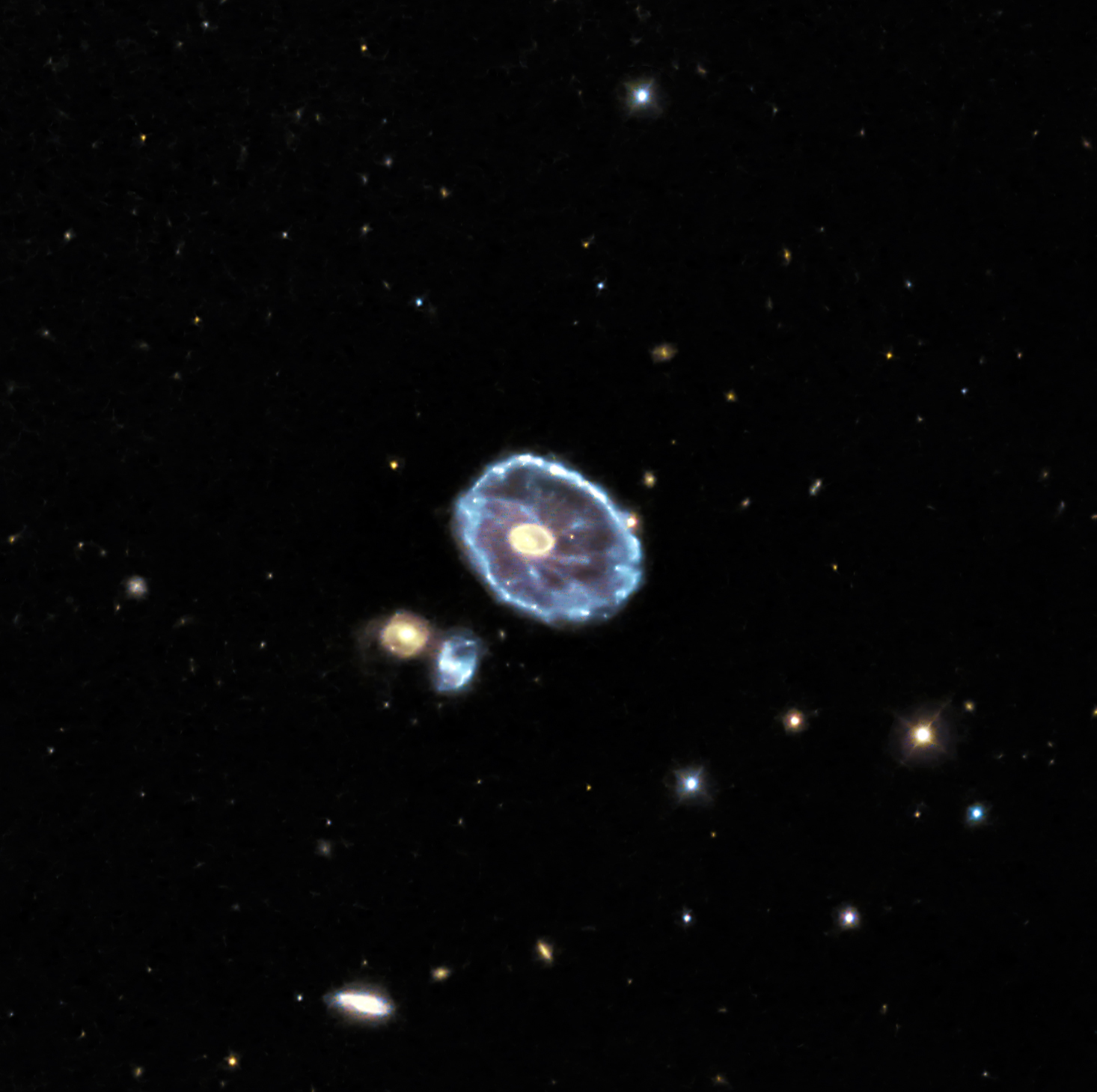

Galaxies are the most massive and distant objects that we can see from Earth.
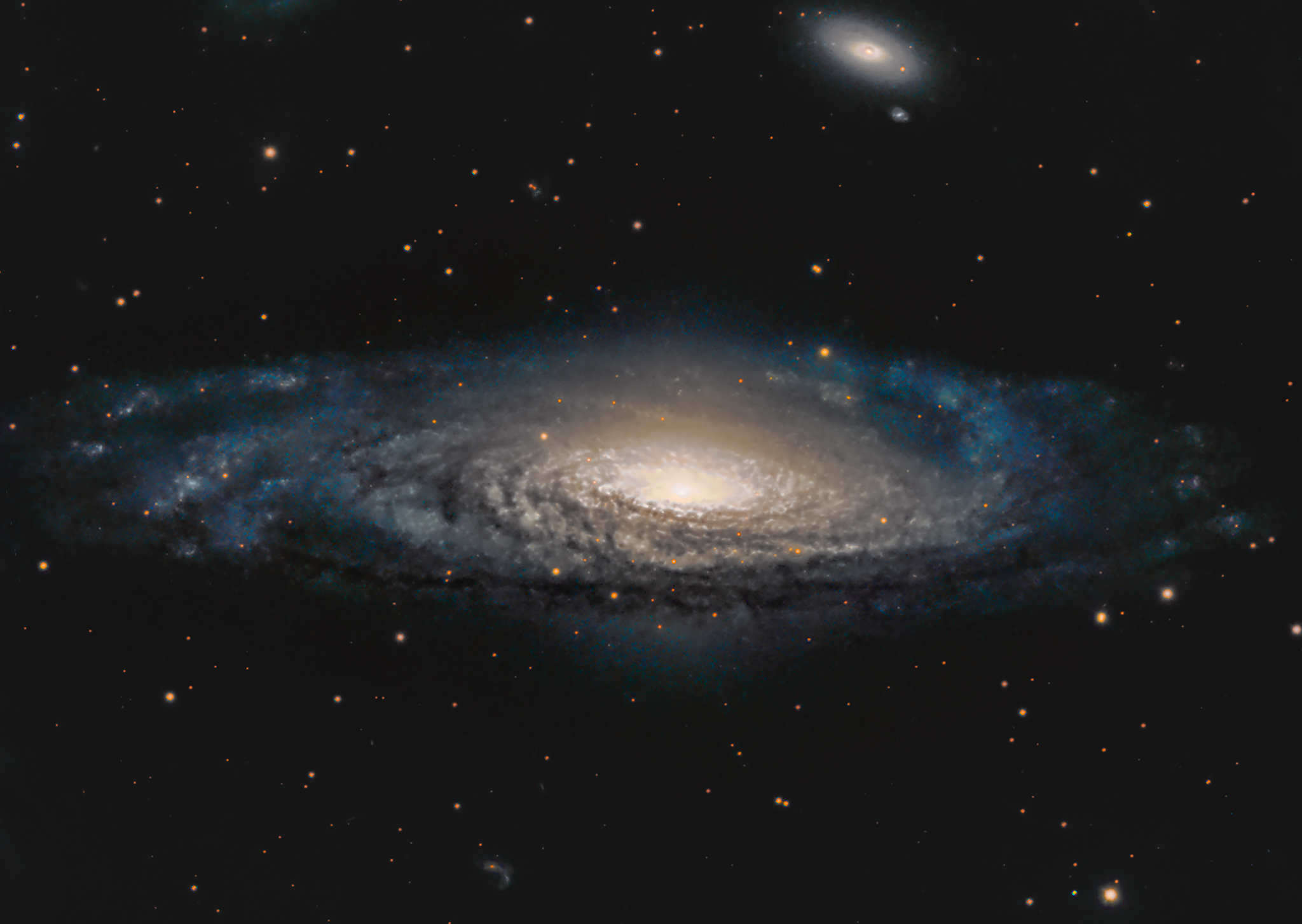
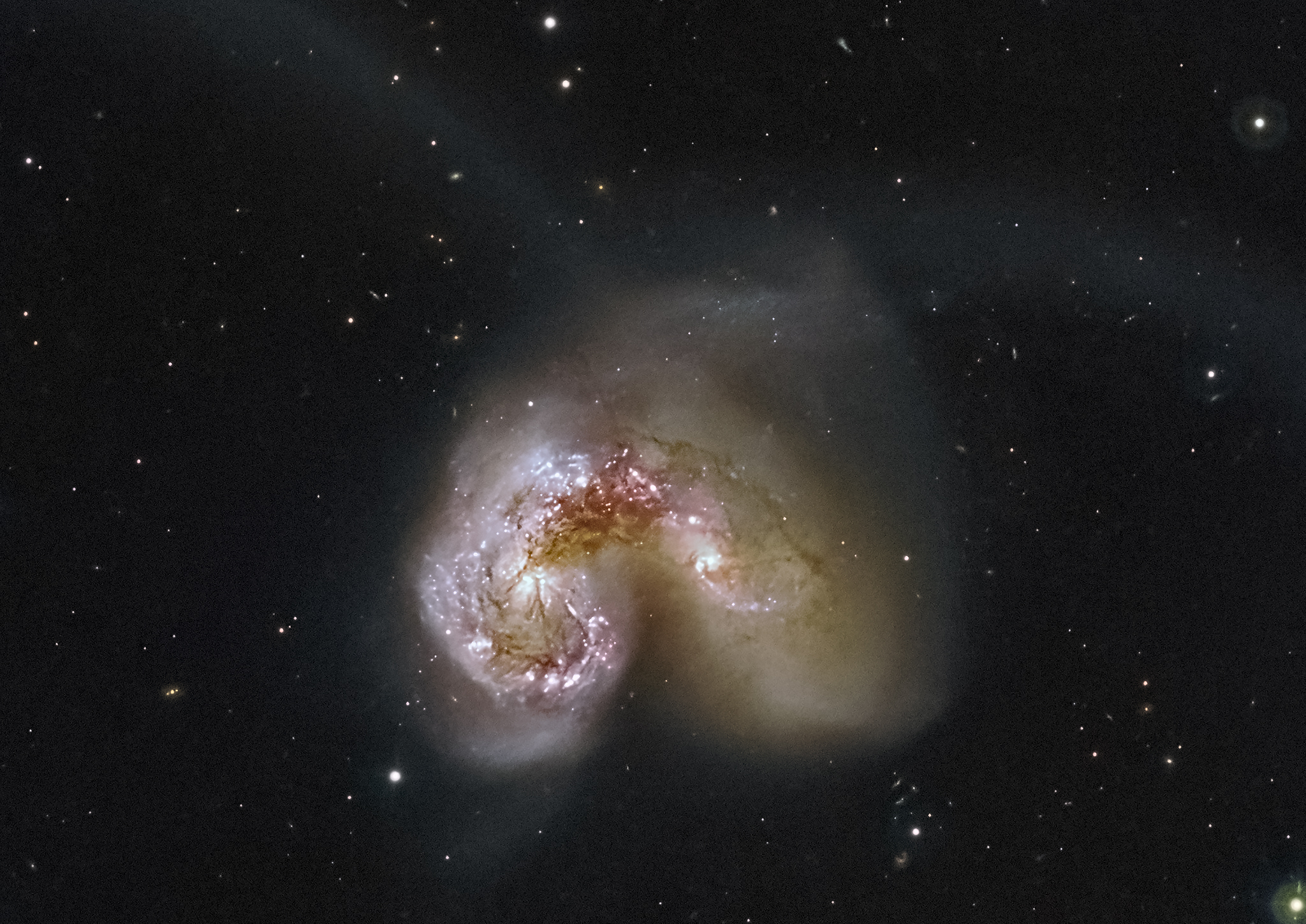
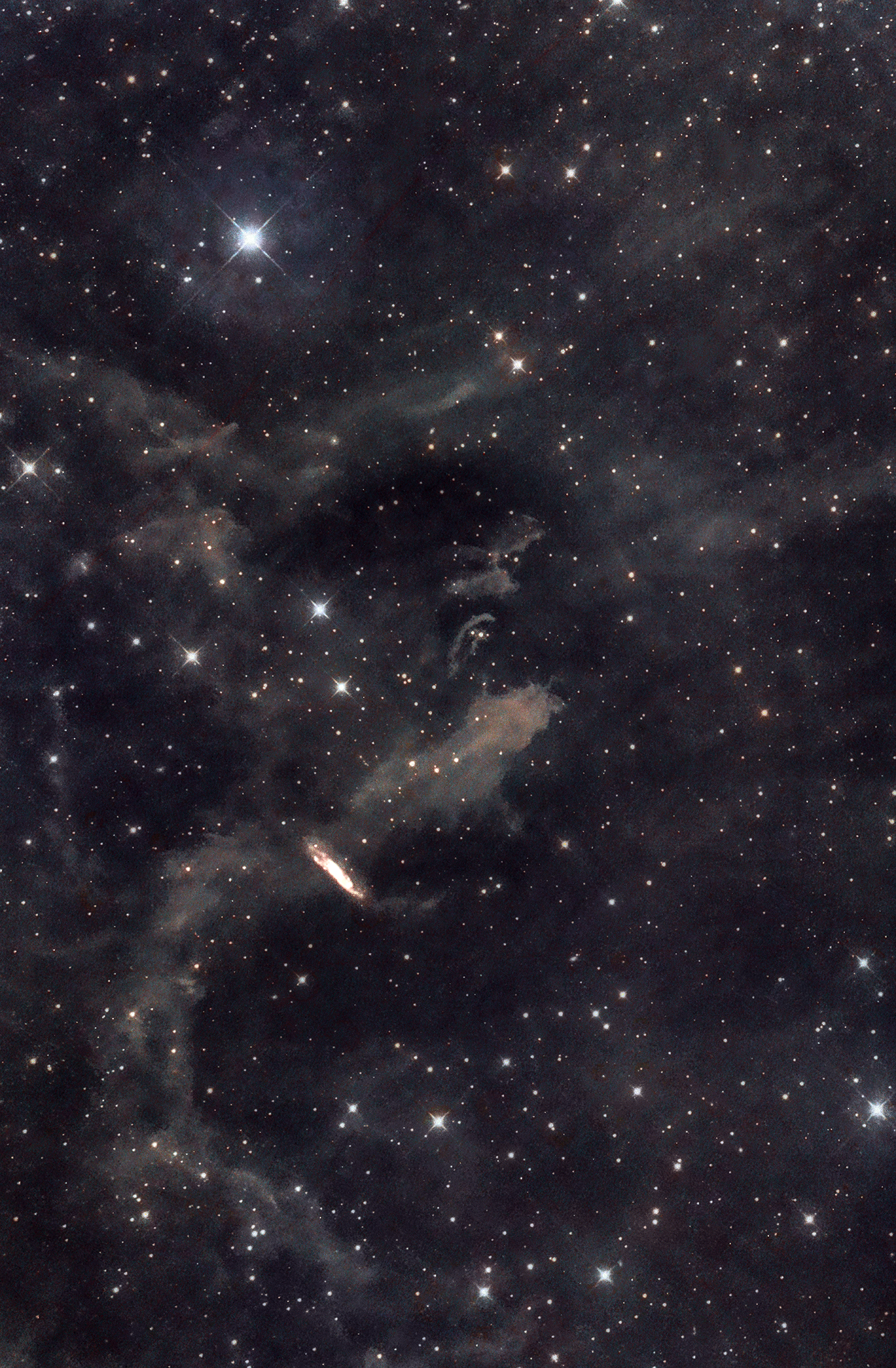
Here we follow the trail in no particular direction of ever-increasingly distant galaxies captured from a variety of locations and with telescopes of various sizes.
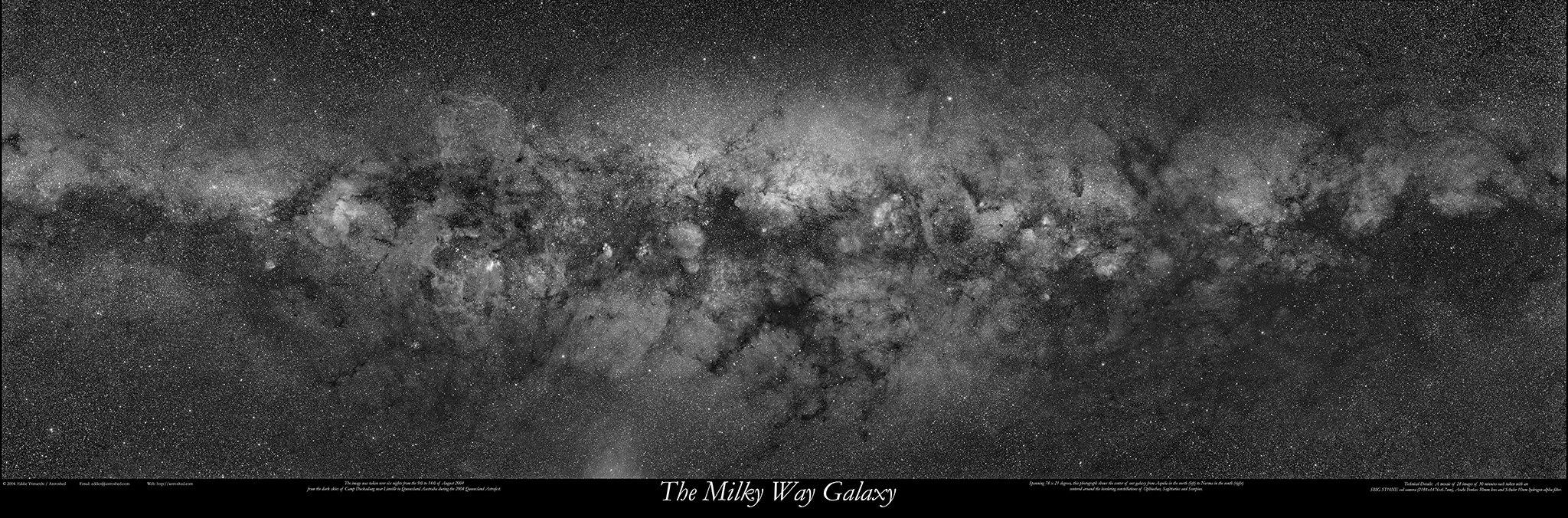
The closest galaxy to us is the one we are in, the Milky Way.
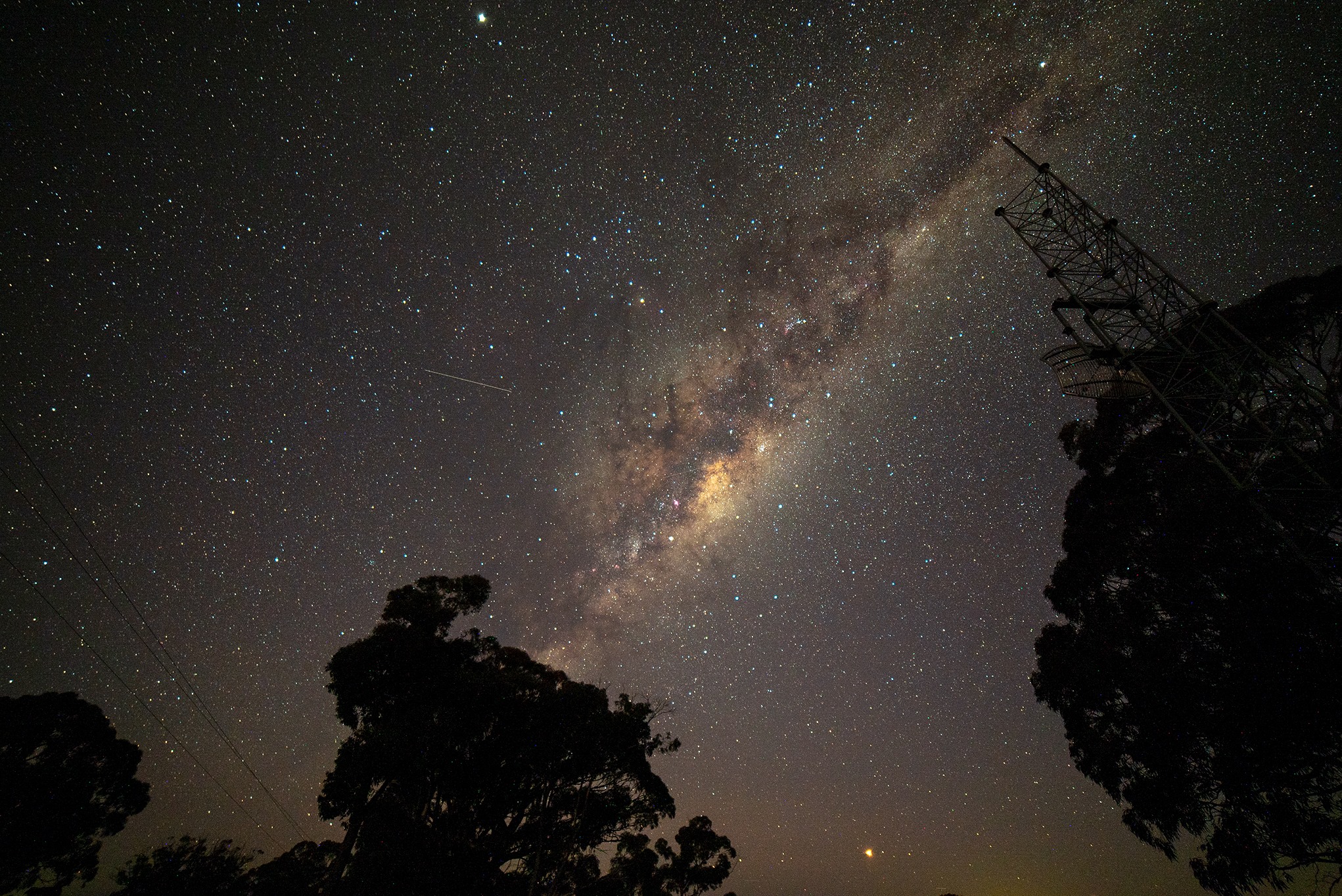
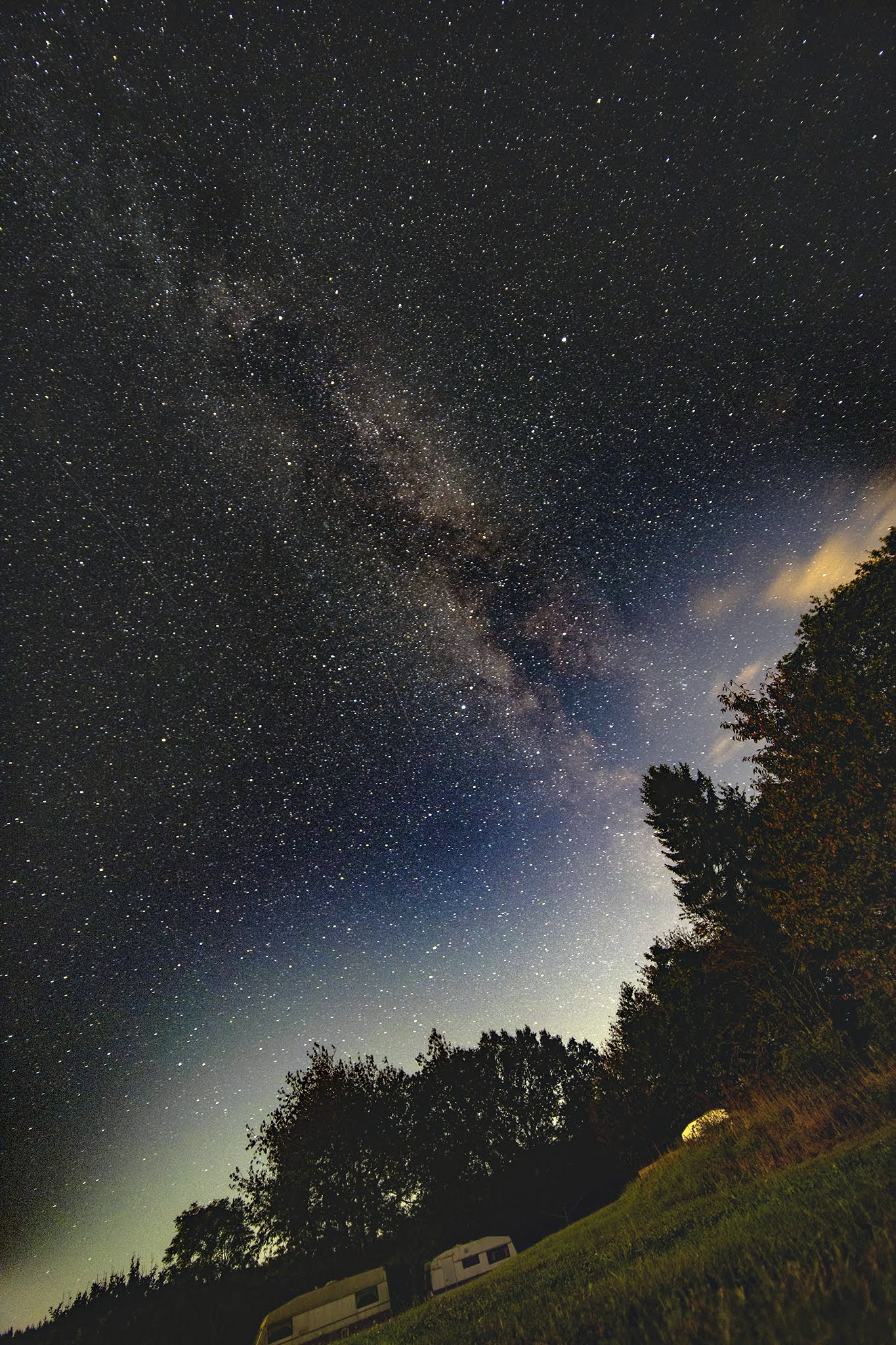
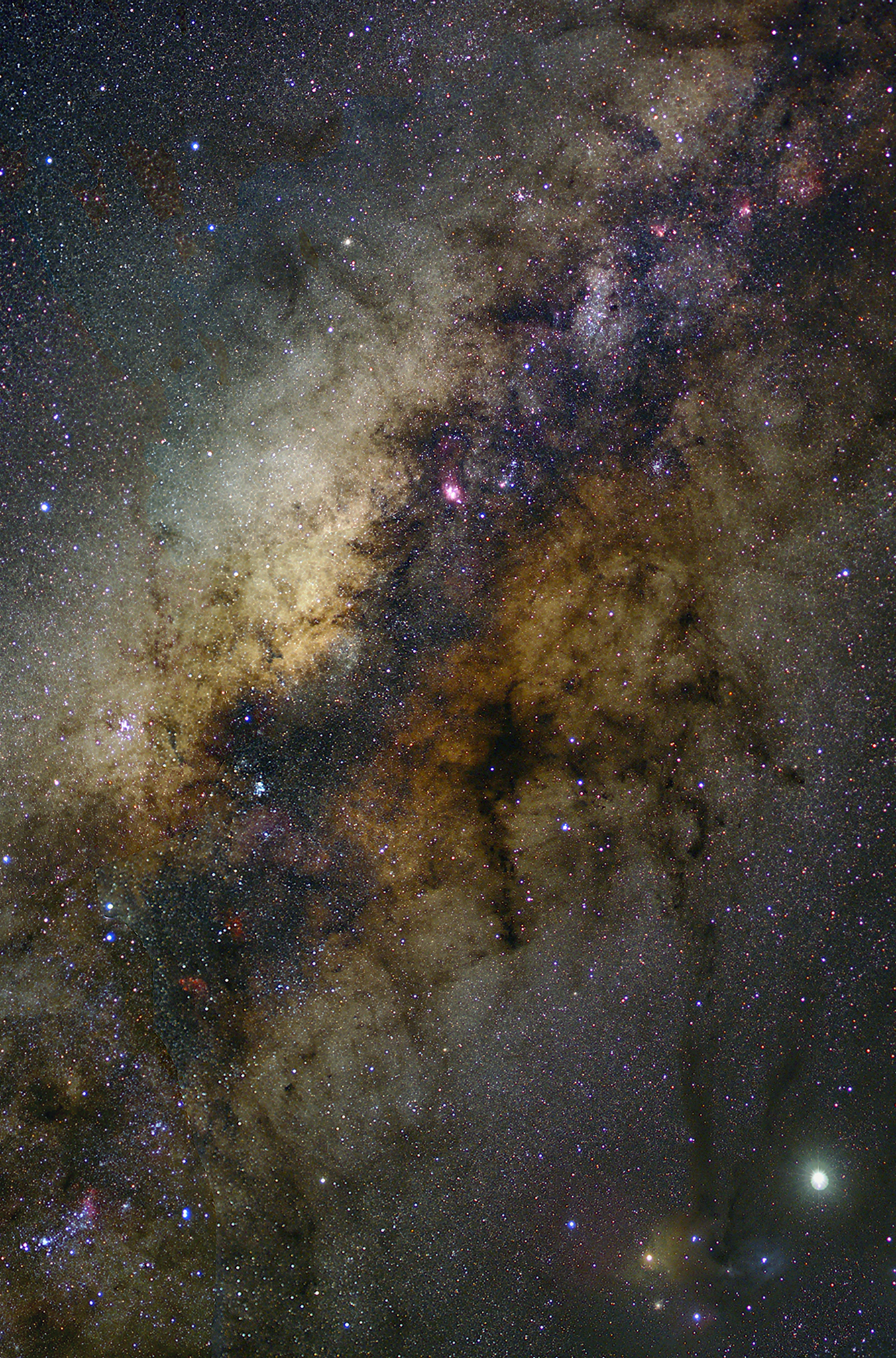
Visible on a dark clear night from almost anywhere on the planet as a vast bulging band of diffuse light.
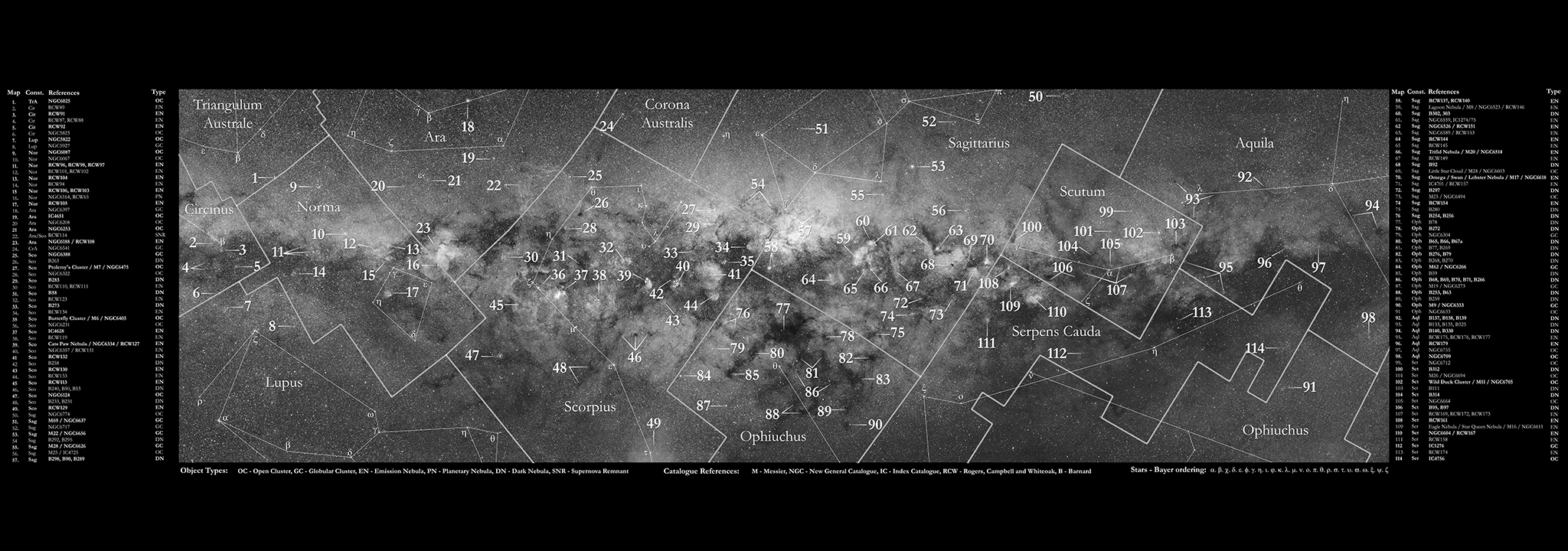
Long exposure photography brings out fascinating detail as we look toward the centre through several spiral arms, we now know that there is a hidden black hole at the very centre, approximately 25,000 light years away..
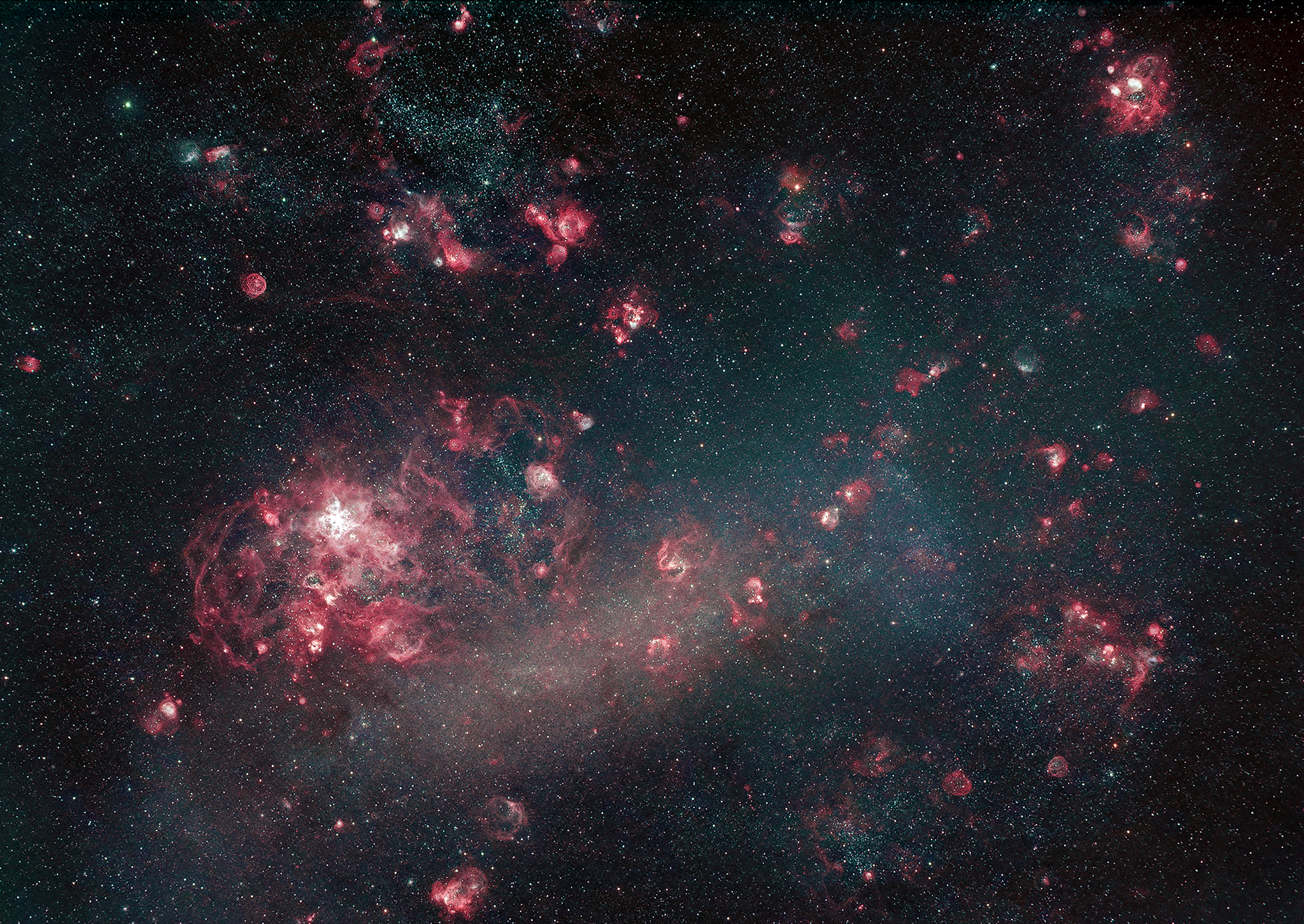
Also visible to the naked eye , 158,000 light years away and exclusive to the Southern Hemisphere are two satellite galaxies of the Milky Way. The Large (LMC) and Small Magellanic Cloud (SMC).
Concentrating here on the LMC, long exposures reveal an exotic array of twisted, knotty gas forming some of the most complex gaseous extra-galactic features we can see.
These galaxies are being gravitationally deformed and drawn into the vastly more massive Milky Way and will one day, be at one with it.
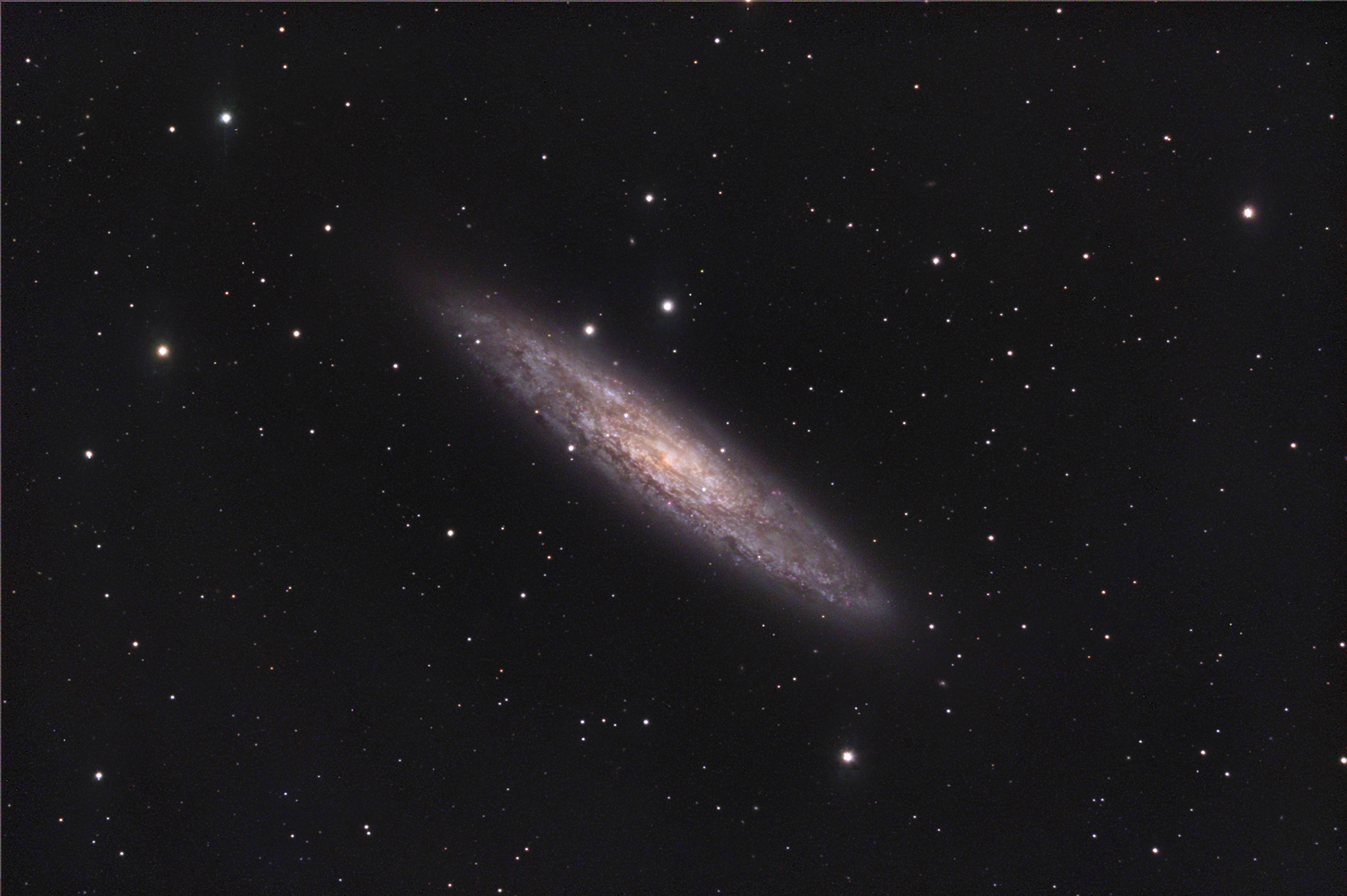
NGC253 in Sculptor
11.4 million light years
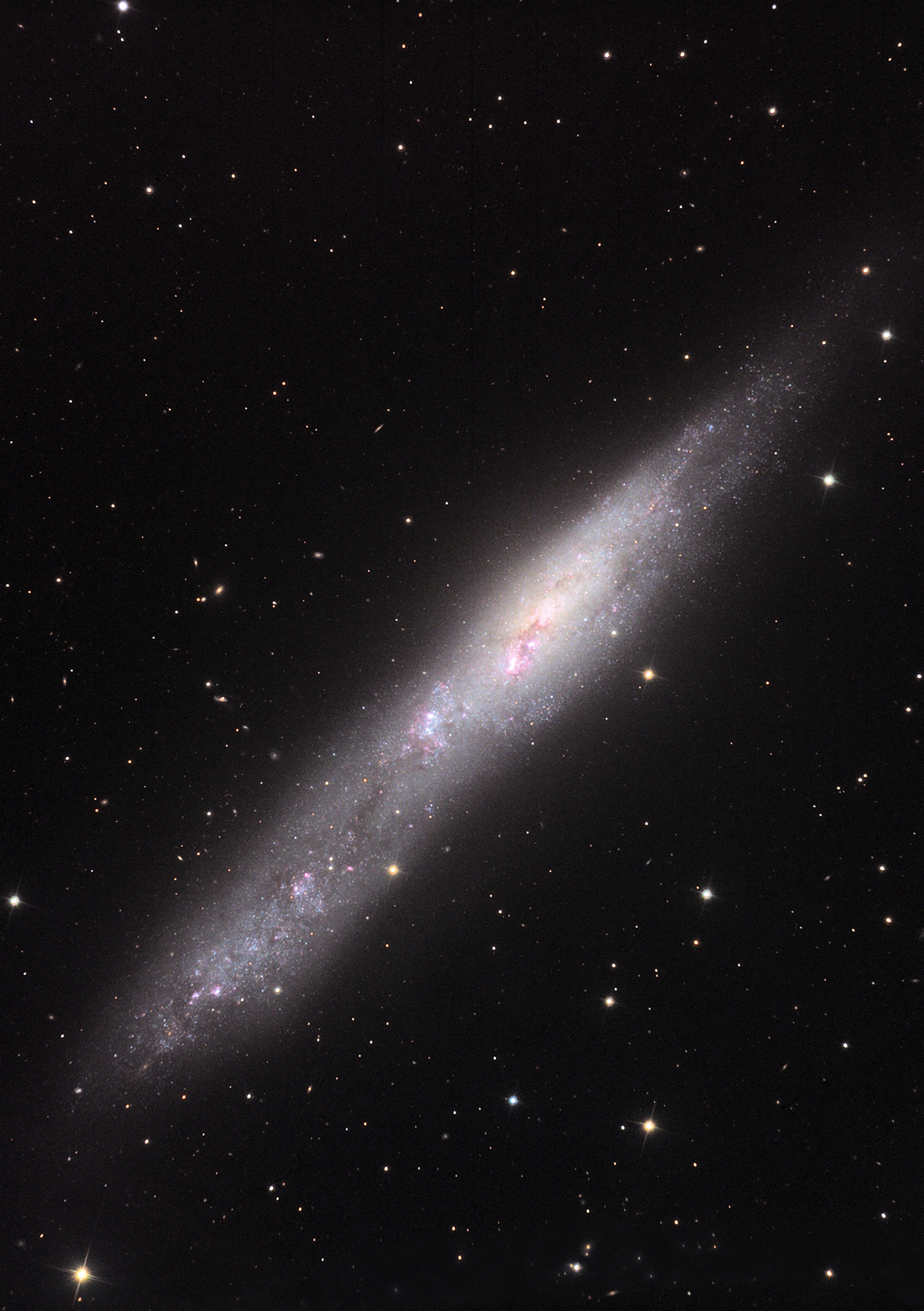
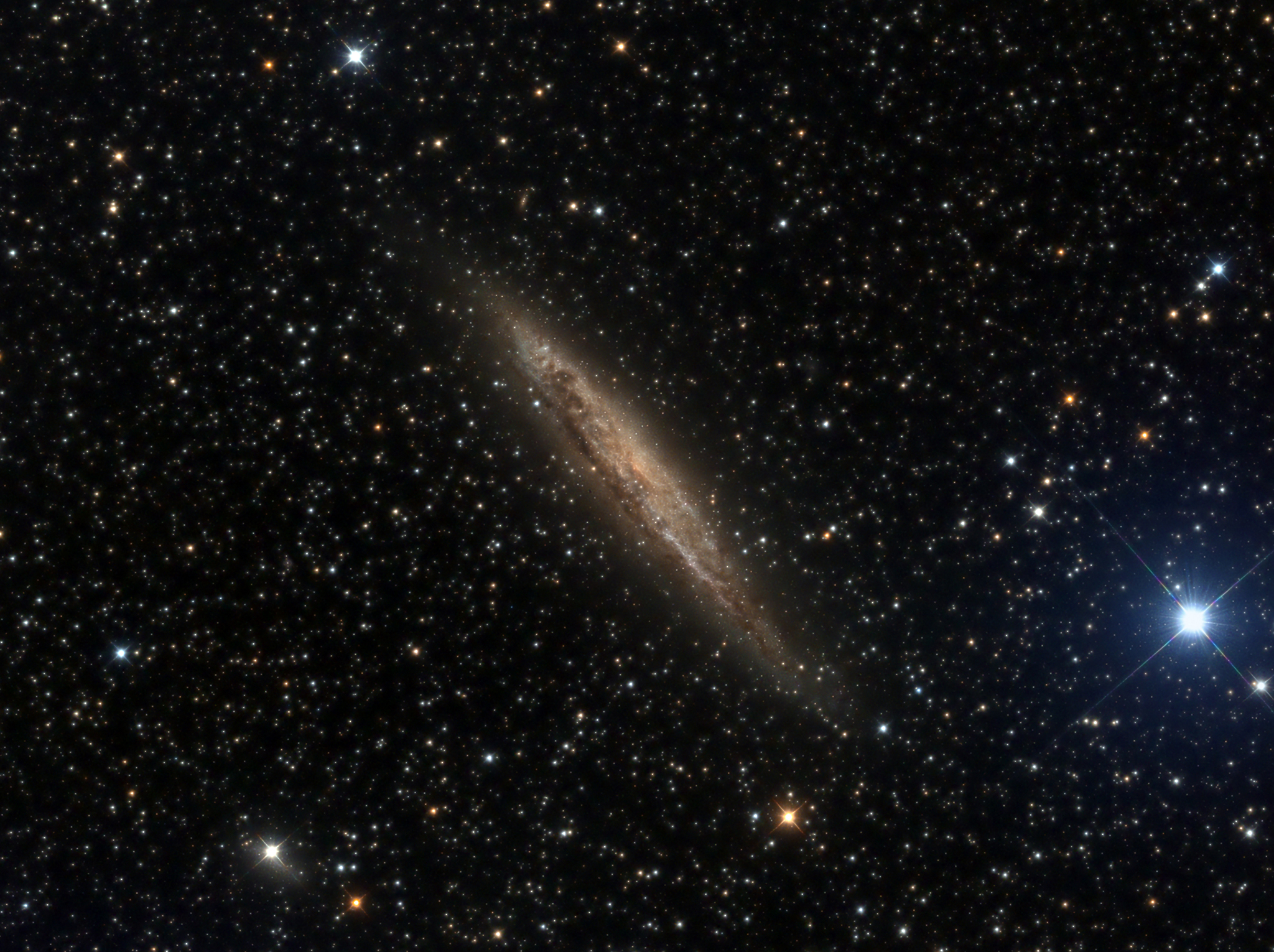
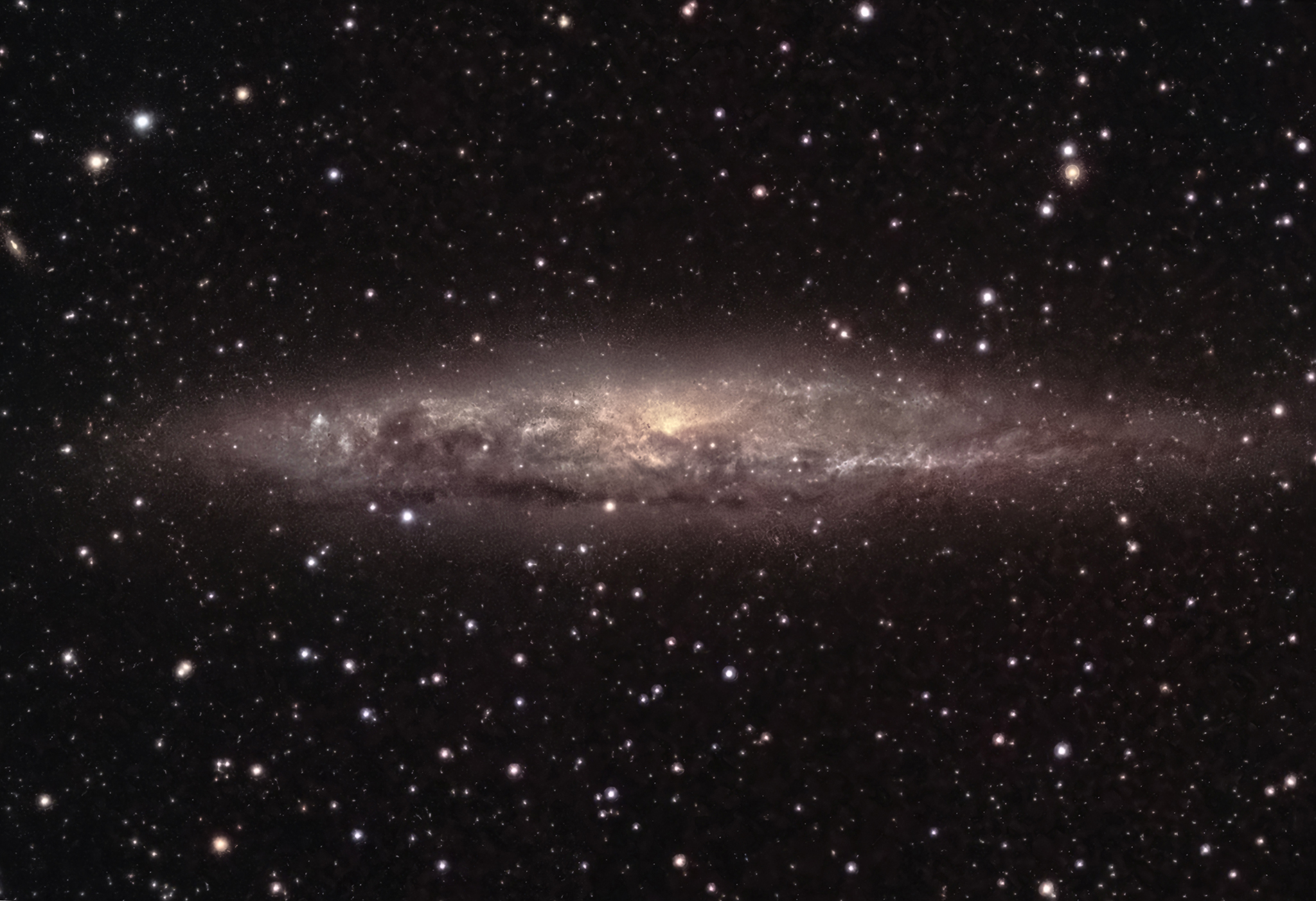
NGC4945 in Centaurus
13 million light years
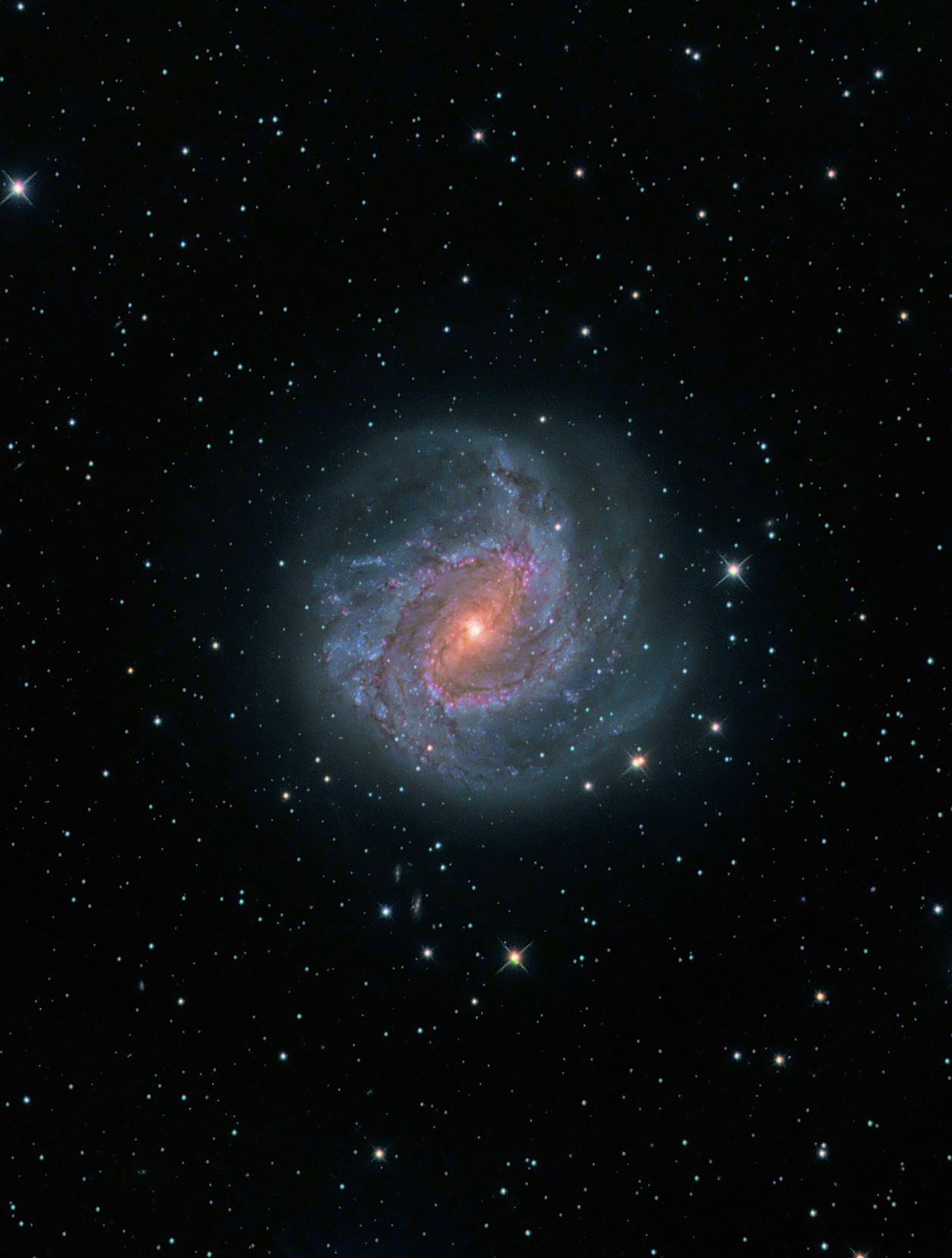
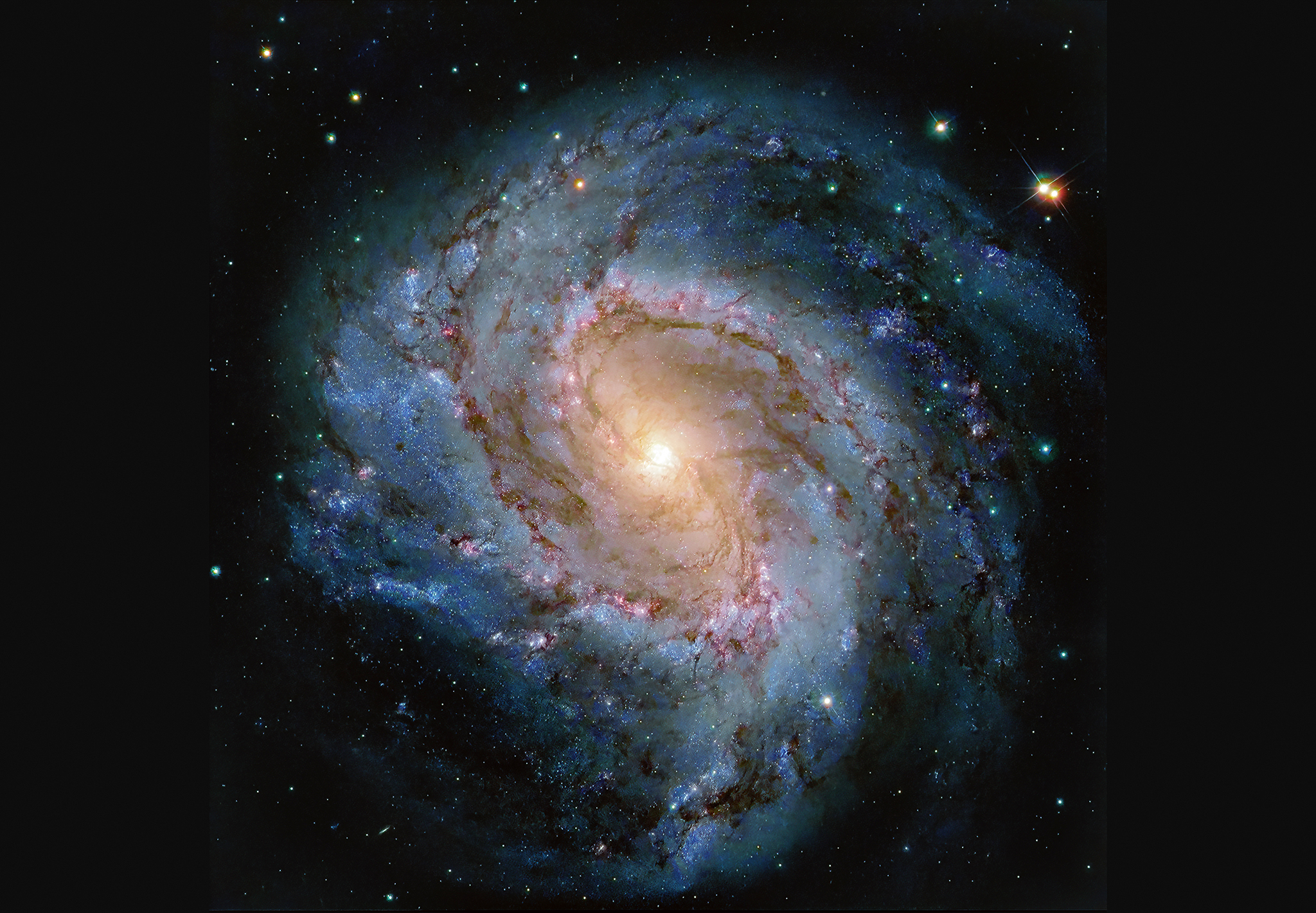
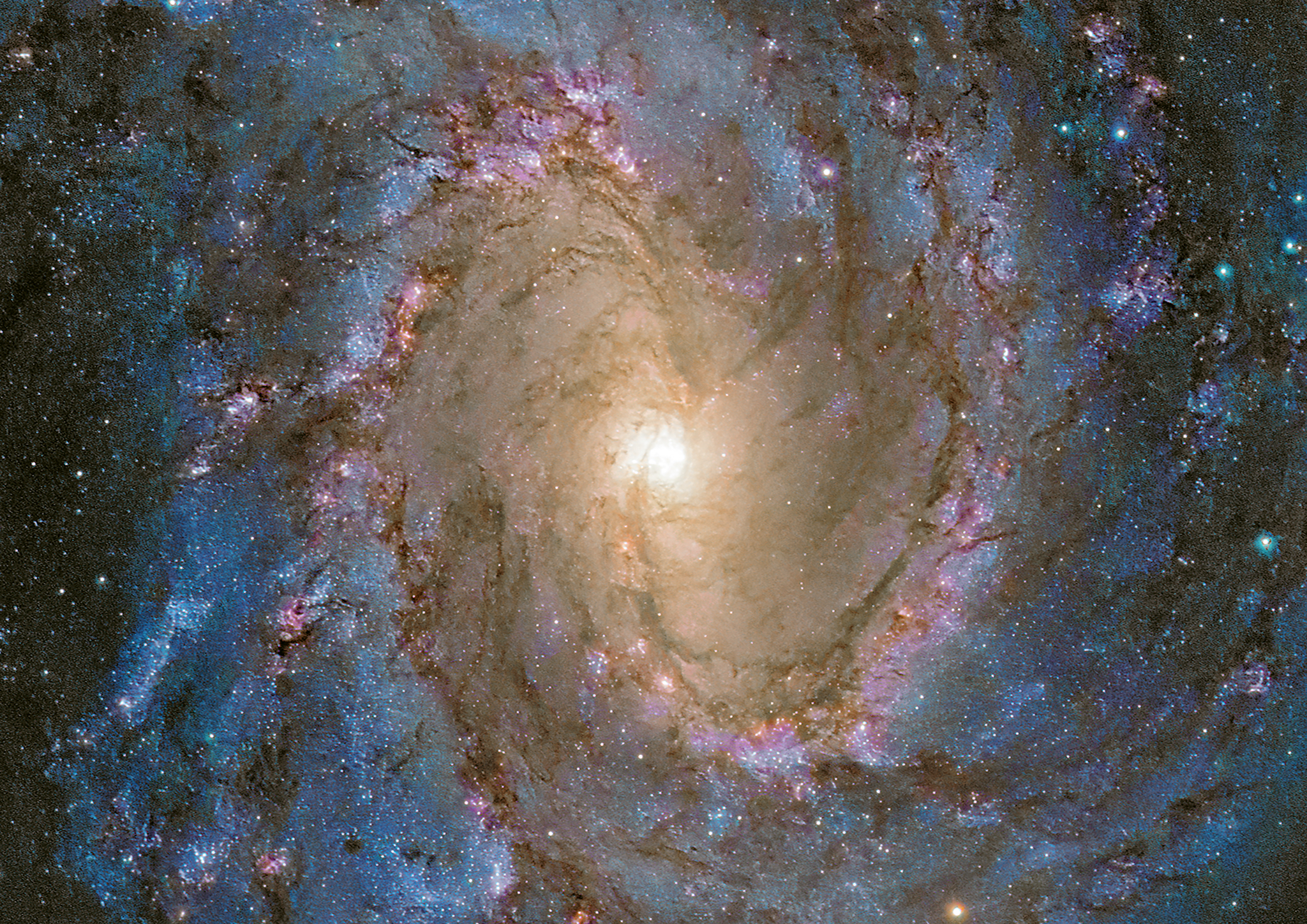
M83 in Hydra
15 million light years
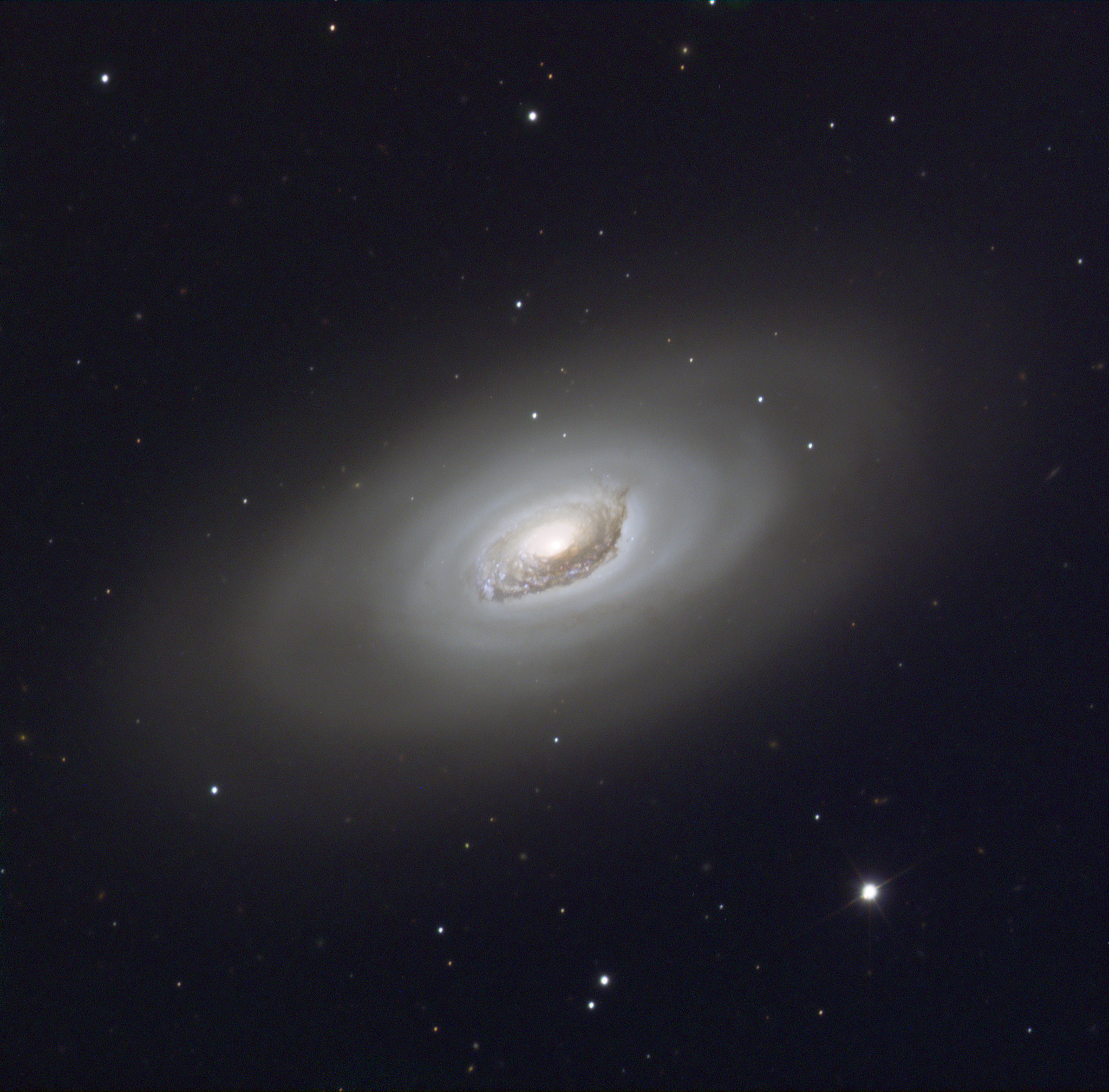
M64 in Coma Berenices
24 million light years
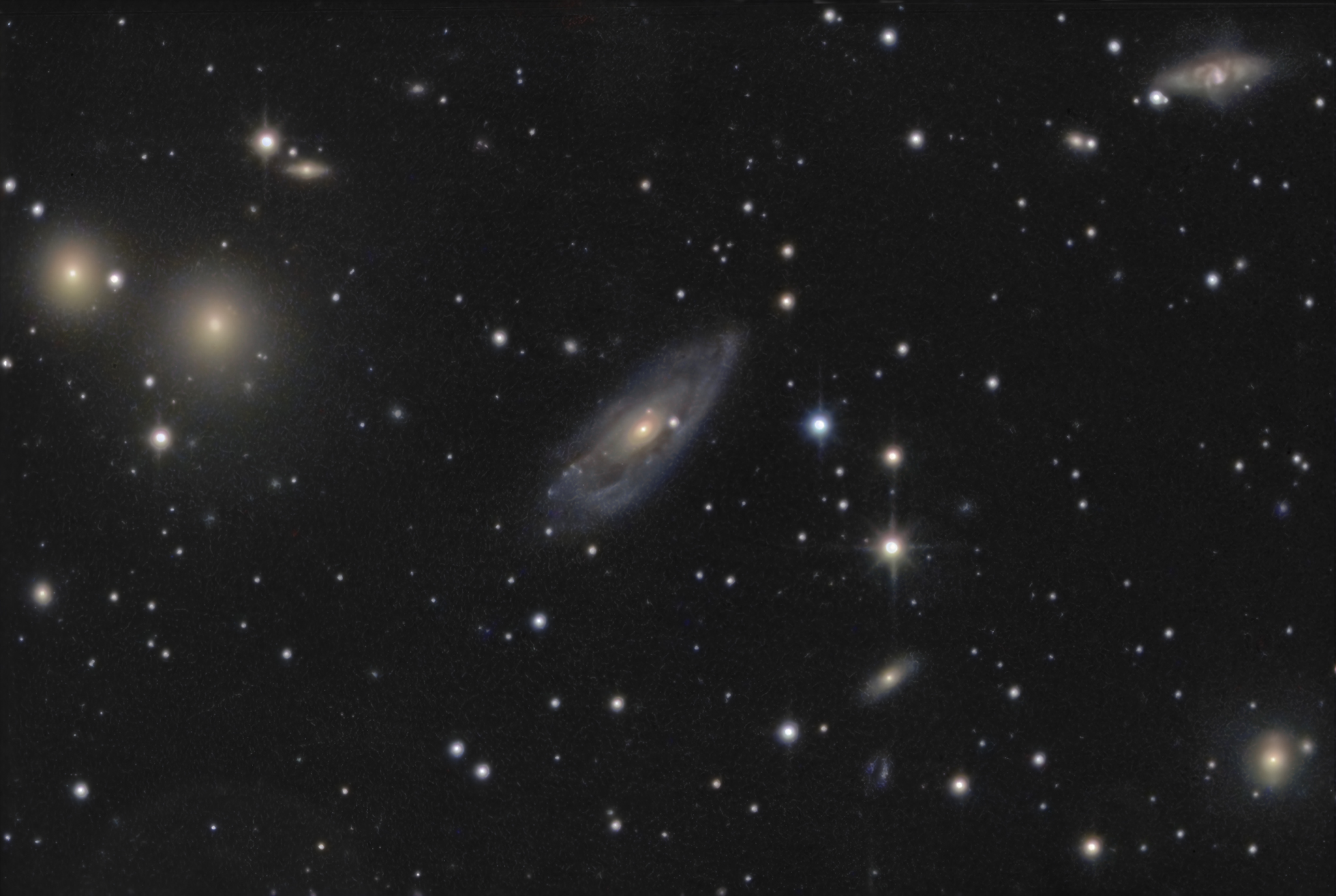
NGC3312 in Hydra
194 million light years
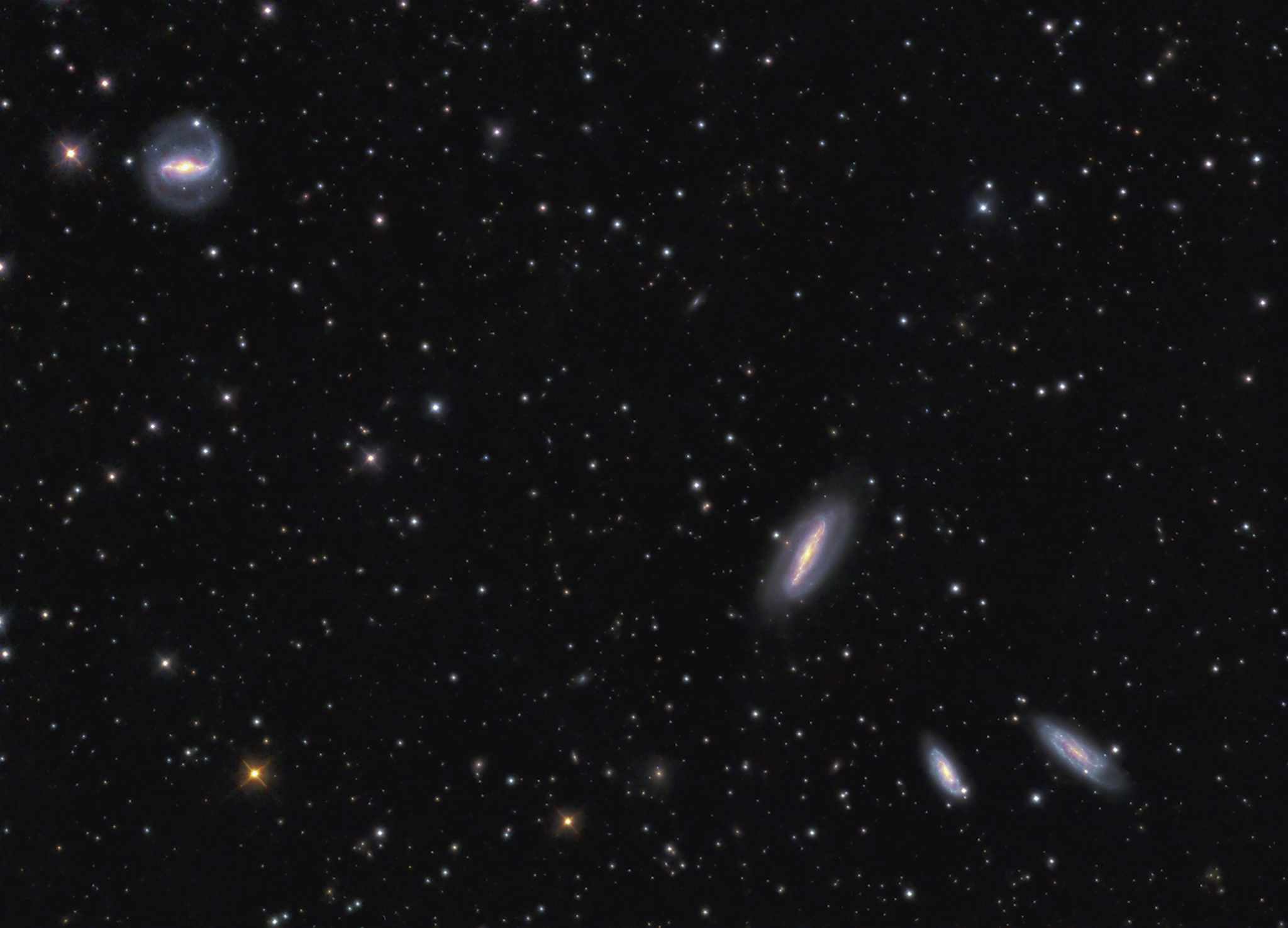
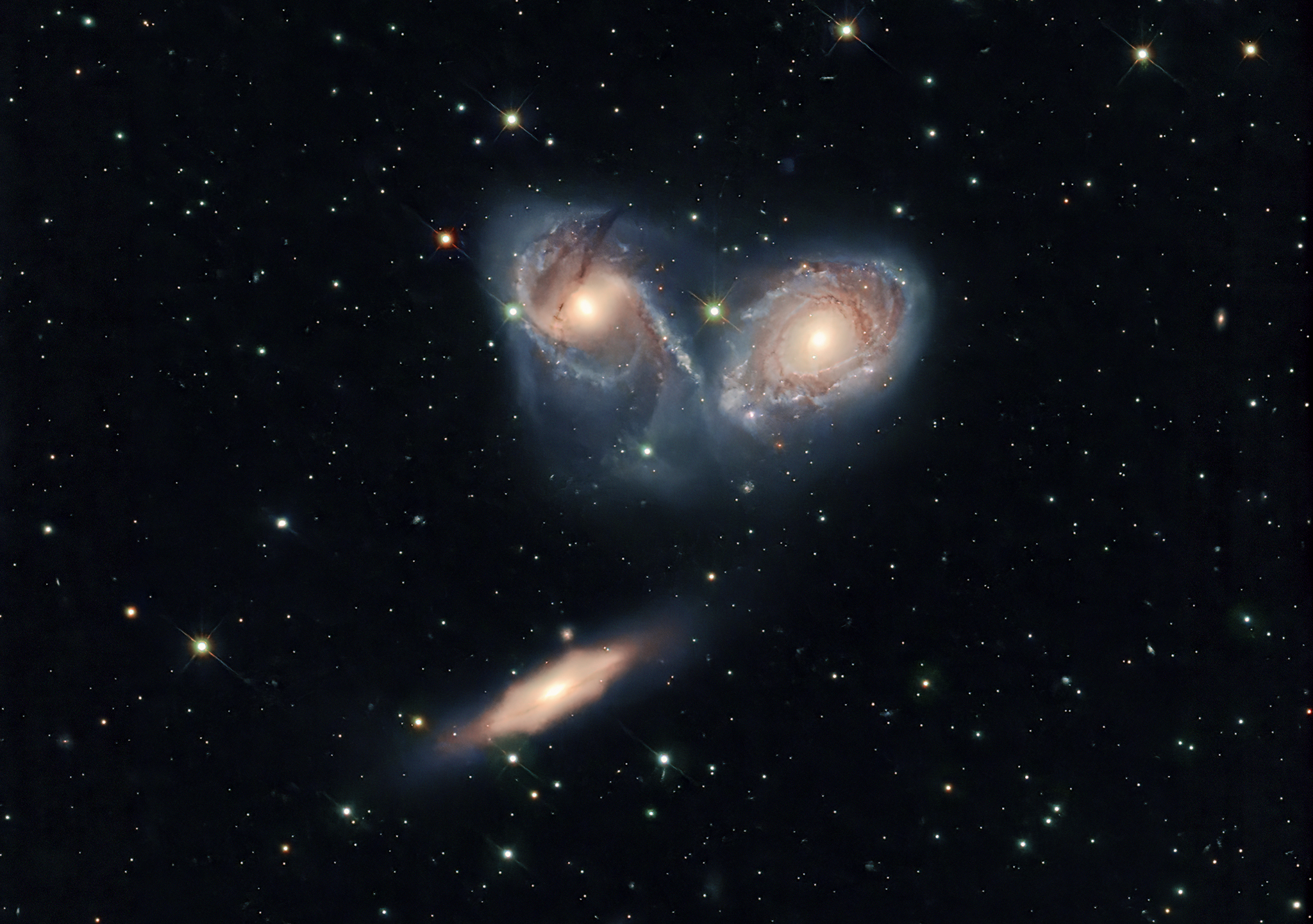
NGC6769 6770 6771 galaxy group in Pavo
200 million light years
Cartwheel Galaxy in Sculptor
489 million light years